Microsoft Project (MS Project Plan)
We use MS Project to develop detailed project schedules, define milestones, manage
dependencies, and allocate resources effectively. This tool enables accurate planning, progress tracking, and timeline forecasting, ensuring projects remain aligned with scope, budget, and delivery expectations.
Customer & Stakeholder Management CRM Software
Our CRM experience supports effective stakeholder engagement, data organization, and
communication tracking. By maintaining accurate records and workflows, we help clients
manage relationships, monitor interactions, and improve overall project coordination.
Salesforce With Salesforce, we support advanced CRM functionality, reporting, and process automation.
This platform allows us to align project activities with business objectives, track performance metrics, and provide leadership with real-time visibility into project and customer data.
We follow PMI-aligned best practices to provide a disciplined and standardized approach to project management. This framework emphasizes clear governance, stakeholder engagement, risk management, and performance measurement. Key PMI principles we apply include:
• Defined project scope, objectives, and deliverables
• Comprehensive project planning and documentation
• Risk identification, mitigation, and control
• Performance tracking using key metrics
• Stakeholder communication and reporting
The PMI framework allows us to deliver projects with consistency, accountability, and alignment to organizational strategy.
The Waterfall methodology is a structured, sequential approach best suited for projects with clearly defined requirements and minimal expected changes. We use Waterfall when
predictability, documentation, and formal approvals are critical.
Our Waterfall approach includes:
• Detailed upfront requirements and planning
• Clearly defined project phases and milestones
• Formal review and approval at each stage
• Controlled change management processes
This methodology is especially effective for regulated environments, infrastructure projects, and initiatives where scope stability is essential.
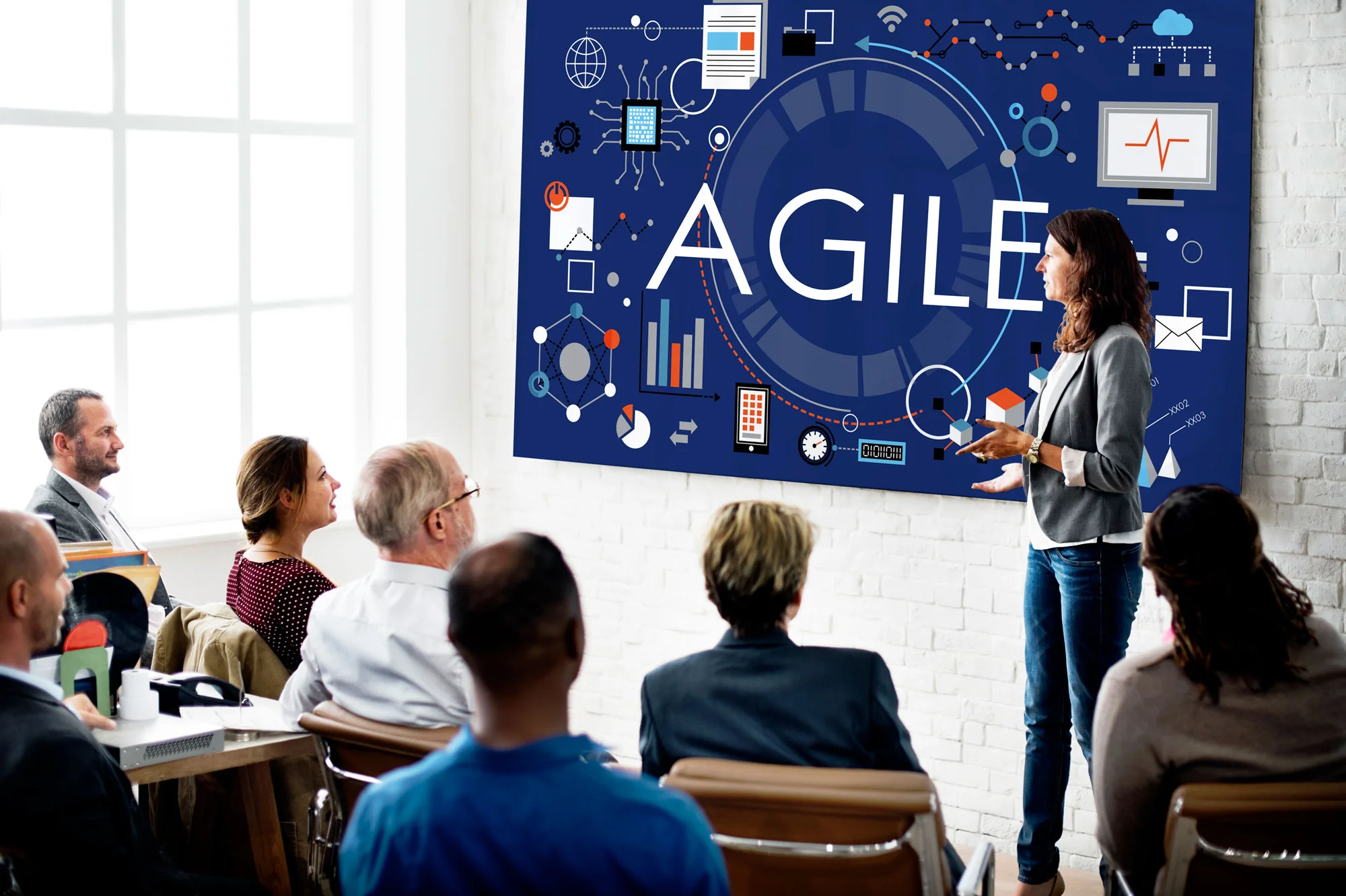
The Agile methodology supports flexibility, collaboration, and continuous improvement. We use Agile practices for projects that require adaptability, rapid delivery, and ongoing stakeholder feedback. Key Agile practices we implement include:
• Iterative planning and incremental delivery
• Frequent collaboration with stakeholders
• Continuous feedback and refinement
• Transparent task and progress tracking
Agile enables teams to respond quickly to change while maintaining alignment with business priorities and delivering value early and often
Lean Six Sigma focuses on efficiency, quality, and process improvement. We apply this
methodology to help organizations reduce waste, improve performance, and enhance
consistency across project and operational workflows. Our Lean Six Sigma approach includes:
• Process mapping and performance analysis
• Identification and elimination of inefficiencies
• Data-driven decision-making
• Continuous improvement initiatives
This methodology is particularly effective for operational optimization, service improvement, and performance-driven environments
At Zion and Judah Management LLC, we understand that no single methodology fits every
project. We assess each initiative to determine the most effective approach—or combination of approaches—to meet project objectives. By blending structure with flexibility, we ensure strong governance while remaining responsive to change.
Our methodology-driven approach helps clients manage risk, improve efficiency, and achieve sustainable project success.